Death of Alphonse Frankenstein
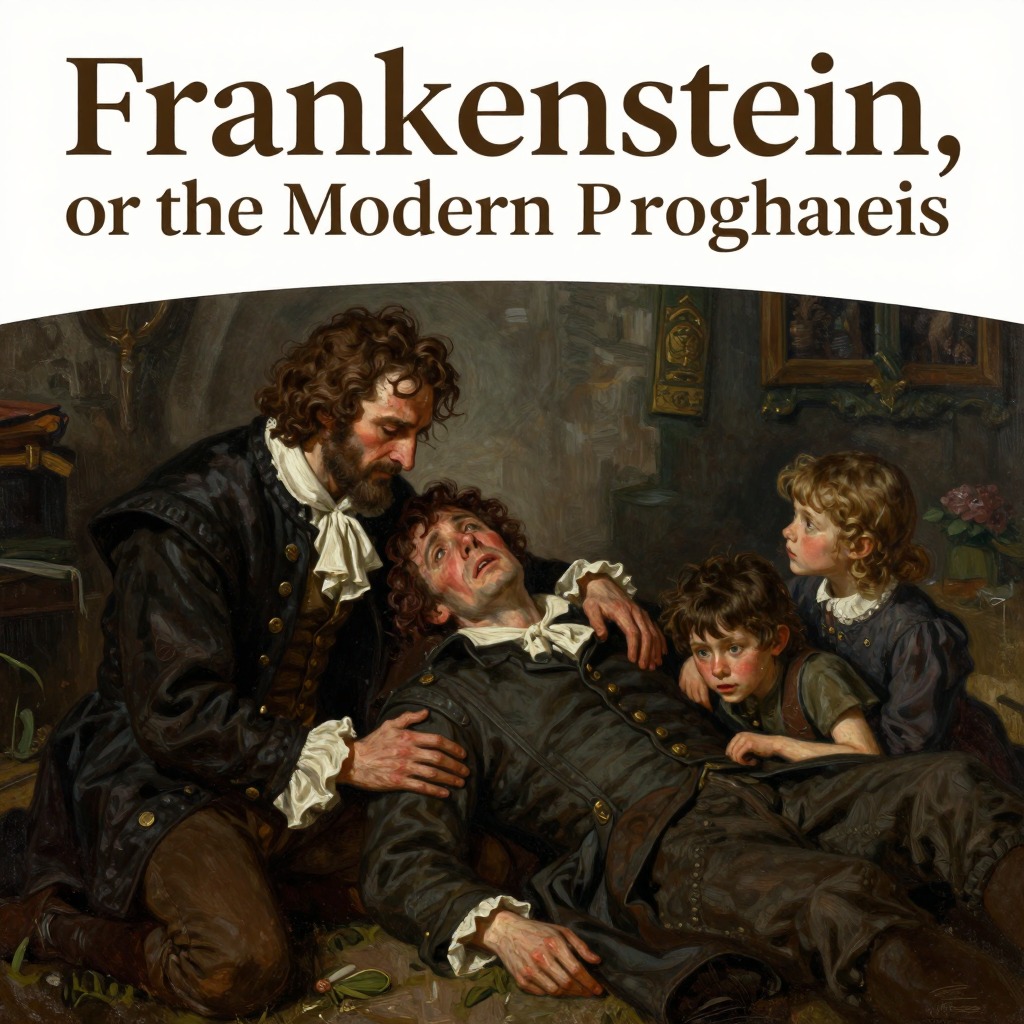
Alphonse Frankenstein, the venerable father of Victor Frankenstein, dies in his son's arms a few days after the murder of Elizabeth Lavenza, his death the final collapse of a man whose health and spirit had been broken by the successive, violent losses of his youngest son, his beloved surrogate daughter, and his dearest friend. His passing marks the complete annihilation of the Frankenstein family and leaves Victor utterly alone, transformed from a grieving son into a man possessed by a single, consuming purpose: revenge.
Identity and Character
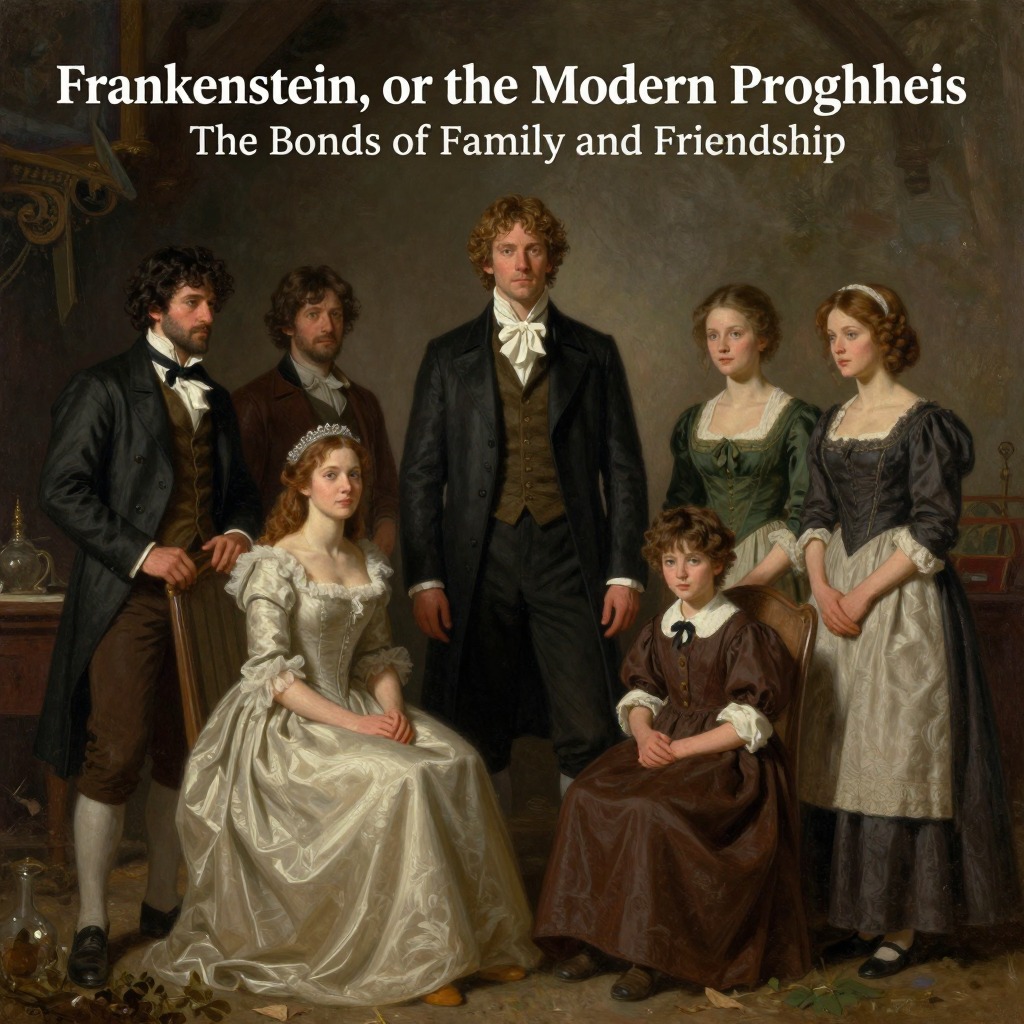
Alphonse Frankenstein was a distinguished Genevese, a man of integrity and indefatigable attention to public business, who had filled several public situations with honour and reputation. He was respected by all who knew him. His marriage to Caroline Beaufort, whom he rescued from poverty and orphanhood after the death of her father, his friend Beaufort, illustrated his character: he was a man of true friendship, deep compassion, and a sense of justice that rendered it necessary for him to approve highly in order to love strongly. He was a devoted and indulgent father, possessed by the very spirit of kindness and indulgence, and his children felt that he was not a tyrant but the agent and creator of their many delights. He was a gentle and benevolent man, whose serene conscience and guiltless life led him to counsel his son Victor with arguments of duty and fortitude.
Arc Through the Plot
Alphonse first appears as a loving, if somewhat distant, father who dismisses Victor's youthful interest in Cornelius Agrippa as "sad trash" without explanation, a moment Victor later identifies as a lost opportunity that might have altered his fate. He is a constant, supportive presence, writing to Victor at Ingolstadt and expressing concern over his long silences. The first great blow to his happiness is the death of his wife, Caroline, who succumbs to scarlet fever after nursing Elizabeth. He then endures the murder of his youngest son, William, and the subsequent trial and execution of Justine Moritz, a girl he had valued highly. These events deeply shake his health. He tries to console Victor, urging him to moderate his grief for the sake of the survivors, but his advice is inapplicable to Victor's secret guilt. He arranges for Victor to travel to England, hoping a change of scene will restore him, and looks forward to Victor's marriage to Elizabeth as the tie of domestic comfort and the stay of his declining years. He is overjoyed when Victor agrees to an immediate marriage. The final, crushing blow is the murder of Elizabeth on her wedding night. When Victor arrives in Geneva bearing this news, Alphonse, who had doted on Elizabeth as his more than daughter, sinks under the tidings.
Death and Aftermath
Alphonse Frankenstein could not live under the horrors that were accumulated around him. The springs of existence suddenly gave way; he was unable to rise from his bed, and in a few days he died in Victor's arms. His eyes wandered in vacancy, for they had lost their charm and their delight. Victor, already a shattered wreck, lost sensation after his father's death and was confined for many months in a solitary cell, having been called mad. When he awakened to reason, he also awakened to revenge, his father's death the final, irrevocable loss that solidified his purpose. Alphonse's death completes the destruction of Victor's domestic world, leaving him with no remaining ties but the burning need to pursue and destroy the monster.
Thematic Significance
Alphonse Frankenstein embodies the values of domestic tranquillity, benevolent paternal authority, and the simple, virtuous life that Victor's ambition destroys. His death is the culmination of the monster's campaign of vengeance, the final blow that leaves Victor utterly desolate and free to pursue his own destructive path. It underscores the novel's central theme: the catastrophic consequences of abandoning one's domestic affections and moral duties in the pursuit of forbidden knowledge. Alphonse's fate is a direct result of Victor's failure to take responsibility for his creation, and his death transforms Victor's guilt into a monomaniacal drive for revenge, sealing the tragic cycle.